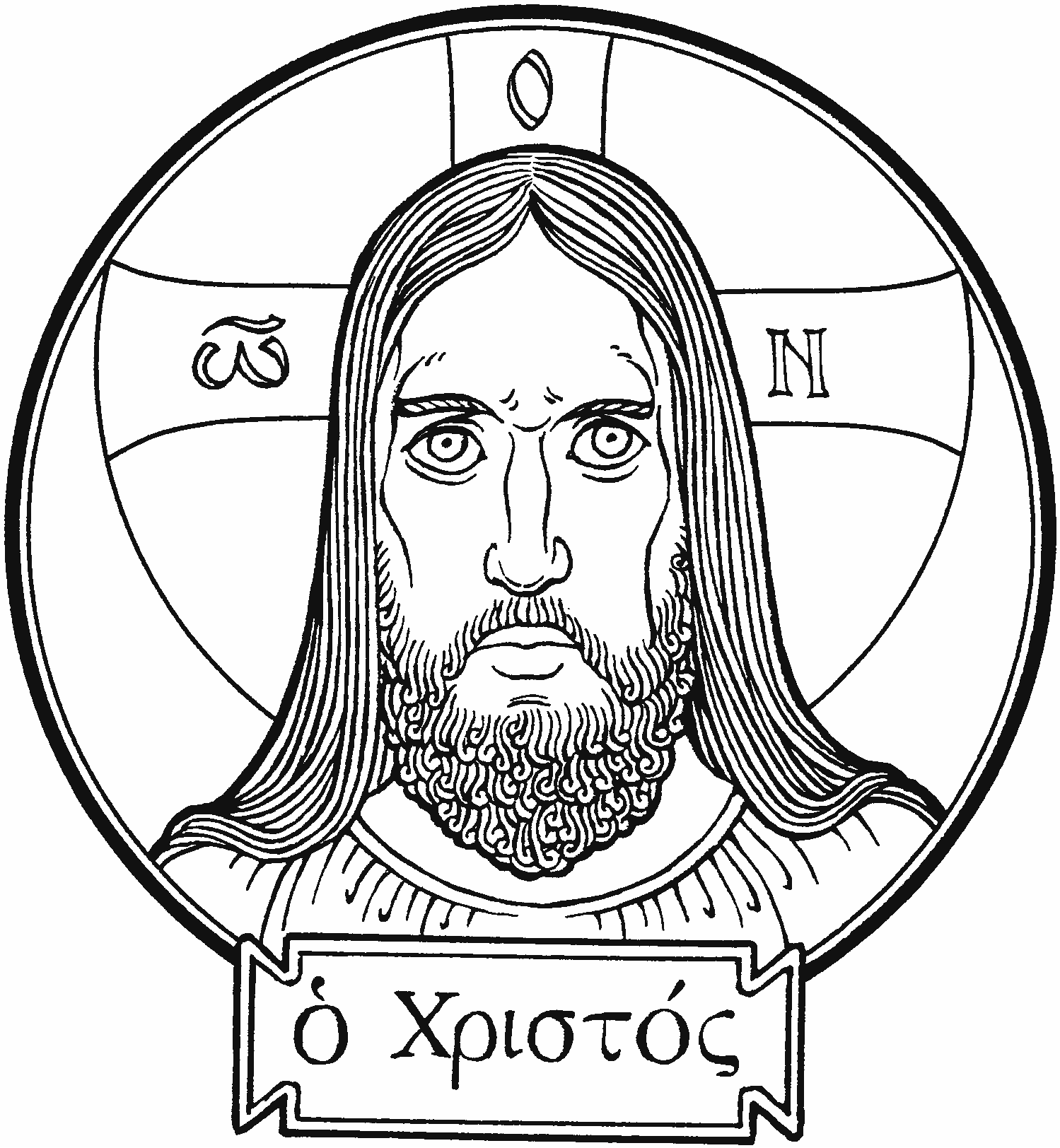
Readings: Isaiah 51:1-6 | Romans 11:33-12:8 | Matthew 16:13-20
Text: Matthew 16:13-20
Roman Catholic application – See Matthew 7:24-25.
24“Everyone then who hears these words of mine and does them will be like a wise man who built his house on the rock. 25And the rain fell, and the floods came, and the winds blew and beat on that house, but it did not fall, because it had been founded on the rock.
Peter is so called like Jacob is called Israel –
“Your name shall no longer be called Jacob, but Israel, for you have striven with God and with men, and have prevailed.” (Genesis 32:28)
Simon gives the confession of those who have built upon the Rock, which is Christ.
What is it that gives a Christian the ability to make this confession? It is a divine work,
“Flesh and blood have not revealed this to you, but my Father who is in heaven”
so it’s a mistake to confuse it with human effort. Faith in the Christ is far more than a meme or a human philosophy.
You’re familiar with the words, “I believe that I cannot by my own reason or strength believe in Jesus Christ, my Lord, or come to Him” Yet, how often do we treat it like a negotiation! God did His Jesus thing, and how many people will be willing to buy it? What a shameful underestimate of the work of God!
Faith is a divine work, declaring sure words and real saving works. And that Word goes forth with power to work in human ears and hearts. How blessed Peter was to have this revealed from heaven! If it had not come to him, he would have gone on thinking he was a pretty good guy. A hard-working fisherman. Religion’s okay for some people, but they’re also so judgy (the Pharisees in his day).
Peter was shaken out of his false and sinful security on an ordinary day:
6And when they had done this, they enclosed a large number of fish, and their nets were breaking. 7They signaled to their partners in the other boat to come and help them. And they came and filled both the boats, so that they began to sink. 8But when Simon Peter saw it, he fell down at Jesus’ knees, saying, “Depart from me, for I am a sinful man, O Lord.” (Luke 5:6-8)
It’s amazing how looking death in the face can do that. All those coverups and excuses have come up empty. We know this every time we come close to death. Whether in the trenches or in the recliner next to you, death brings the crystal-clear realization: That could have been me, and then what? My very breath is at the behest of God, and even if I’ve been successful at convincing myself otherwise, there is a judgment that awaits me too.
Hear the truth of that divinely-revealed Word:
“The Son of Man is about to be delivered into the hands of men, 23and they will kill him, and he will be raised on the third day.” (Matt. 17:22)
This is the promised Christ, of whom it was said seven centuries prior:
“5But he was pierced for our transgressions; he was crushed for our iniquities; upon him was the chastisement that brought us peace, and with his wounds we are healed. 6All we like sheep have gone astray; we have turned—every one—to his own way; and the Lord has laid on him the iniquity of us all.” (Isaiah 53:5–6)
This is who Peter is confessing here, “You are the Christ, the Son of the living God.” This is the Christ who has borne the iniquity of us all.
“24Everyone then who hears these words of mine and does them will be like a wise man who built his house on the rock. 25And the rain fell, and the floods came, and the winds blew and beat on that house, but it did not fall, because it had been founded on the rock.”
This is not yet one more great slogan for living; Jesus is the shelter for sinners, and all who hope in his saving work will stand unashamed on the Day of Judgment (Ps. 1:5-6). Many storms will come, threatening life, possessions, and stability. But when all those perishable things pass away, when the body is finally dying, it won’t be a panic of uncertainty, a frantic last chance to make things right.
“He was pieced for our transgressions; he was crushed for our iniquities; upon him was the chastisement that brought us peace, and with his wounds we are healed.”
You aren’t dismayed, because this is the God in whom you’ve trusted, and you go to meet Him face-to-face.
This is true for everyone to whom the Father reveals this faith. Together, they compose the Christian Church. Part of those storms that the Lord describes come from the rebellious guilt and the seething anger of the Devil. Neither of them wants Christians to live their faith in peace. So, Jesus teaches us to perceive the Church as a whole, and the devil’s kingdom (the unbelieving world) as a whole, and says:
18And I tell you, you are Peter, and on this rock I will build my church, and the gates of hell shall not prevail against it. 19I will give you the keys of the kingdom of heaven, and whatever you bind on earth shall be bound in heaven, and whatever you loose on earth shall be loosed in heaven.”
Two things to notice here: the gates of hell, and the keys of the kingdom of heaven. Satan delights in pomp and outward show. He loves when Christians think of the struggle between the Lord and him as a battle of equals. He boasts his numbers, the ways he can steal the hearts of the weak, and how he can found great movements and organizations based on lies. But the truth is, Satan is in retreat. The gates of hell mean he’s on the defensive, and those gates will not hold. Hear how St. Paul describes Christ’s warfare against the devil’s crumbling kingdom:
“3For though we walk in the flesh, we are not waging war according to the flesh. 4For the weapons of our warfare are not of the flesh but have divine power to destroy strongholds. 5We destroy arguments and every lofty opinion raised against the knowledge of God, and take every thought captive to obey Christ” (2 Corinthians 10:3-5)
Second, there’s another gate implied here. The Church (not the man, Peter) have been given something called the “keys of the kingdom of heaven.” These doors open to the repentant, and close to the proud. While Christ’s divine conquest marches forward, He takes in the broken and contrite spirits by the forgiveness of their sins. This is victory in heaven, for which the angels rejoice (Luke 15), for sinners to believe the Gospel and rejoice to hear the absolution:
“As a called and ordained servant of the Word, I forgive you all your sins in the Name of the Father and of the Son and of the Holy Spirit. Amen.” (LSB 184)
Every time you repent and believe in Christ, that is another stone crumbling in the devil’s proud gates.
In the Name + of Jesus. Amen.
Leave a Reply